
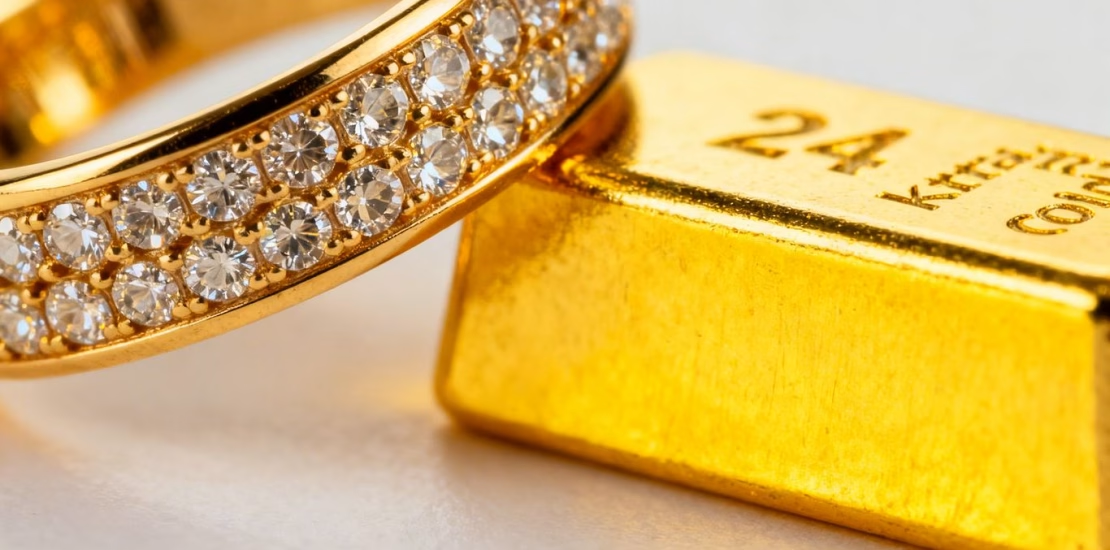
You might be wondering why the jewelry you see in shop windows isn't made of pure gold, the kind we call 24-karat. That's a great question! Pure gold is the dream, isn't it? But actually, there are good reasons why jewelry designers prefer to use gold alloys. Let's take a look at them together.
Key points
- 24-karat gold is far too soft for use in jewelry. It would bend and scratch at the slightest provocation, which isn't ideal for jewelry you wear every day.
- To make gold stronger and more durable, jewelers mix it with other metals. This is called an alloy, and it allows them to create jewelry that lasts.
- Alloys like 18-carat gold (75% pure gold) or 14-carat gold (58.5% pure gold) offer the best compromise between the beauty of gold and the robustness needed for jewelry that will last a long time.
Why is pure gold impractical for jewelry?
You might wonder why, despite its dazzling beauty, 24-karat gold—that is, pure gold—isn't the preferred material for making your favorite jewelry. The answer lies largely in its unique physical properties, which make it less suitable for everyday wear than you might think.
The malleability of pure gold
Pure gold, 99,9% gold, is incredibly malleable. Imagine being able to bend and shape it with surprising ease. This is an advantage for certain applications, such as making bullion or investment coins where the shape doesn't need to withstand stress. But for a ring, bracelet, or earrings that you wear every day? It's not ideal.
The risks of deformation and scratches
This same malleability that makes pure gold so easy to work with also means that it is very soft. A 24-carat gold piece of jewelry will deform and scratch much more easily than a piece of jewelry made from a gold alloy. Think about the little bumps and knocks of everyday life, the friction against surfaces, even the pressure of your fingers. Your beautiful piece could quickly lose its shine and original shape. That's not the kind of durability you want in jewelry meant to be worn often.
The difficulties of polishing fine gold
Achieving a smooth, glossy finish on pure gold is also a challenge. Its softness makes polishing delicate. It's more difficult to reach that perfect mirror finish and maintain it over time. Imperfections or marks can appear more quickly, making the jeweler's work more complex in order to provide you with a flawless and lasting result.
Alternatives to 24 carat gold in jewelry

Pure gold is beautiful, we can all agree on that. But when you want to wear jewelry every day, you need to think about other options. Fortunately, there are plenty of choices.
18-karat gold: an ideal balance
It's kind of the world champion of jewelry. Why? Because it's made of 75% pure gold, and the rest is a mixture of other metals like copper, silver, or zinc. This mixture is what makes it stronger than 24-karat gold. You can wear it without worrying too much about it getting scratched or bent. It's really the perfect compromise between the beautiful color of gold and durability. That's why you find it everywhere, from rings to necklaces.
14-karat gold: robustness and affordability
If you're looking for something even more durable, 14-karat gold is a great option. It's about 58,5% pure gold, meaning it contains even more other metals, making it harder. It's perfect if you have an active lifestyle or want jewelry that will last a long time without breaking the bank. It's often a bit less expensive than 18-karat gold, while still being very high quality.
Other alloys are available for a variety of colors and styles.
And then there's a whole world of other alloys! For example, 9-karat gold (which contains 37,5% pure gold) is even more affordable and very durable. But what's really cool about these alloys is that you can play with colors. By varying the added metals, you can get:
- Yellow gold: The classic one, with a mixture of silver and copper.
- Rose gold: More copper in the mix for this warm and trendy shade.
- White gold: gold alloyed with white metals such as palladium or nickel, often coated with a thin layer of rhodium for a perfect shine.
Choosing a metal alloy ensures your jewelry will withstand everyday wear and tear, while also allowing you to find the perfect color for you. It's a bit like choosing the right recipe for a dish: the ingredients make all the difference!
Basically, while 24-karat gold has its charm, jewelers prefer to use alloys to offer you beautiful, durable pieces that suit your lifestyle. It's a bit like choosing between a fragile work of art and a stylish, long-lasting everyday object.
The advantages of gold alloys for jewelry
When we think of gold jewelry, we often picture that beautiful, vibrant yellow color. But did you know that most of the jewelry you wear isn't pure gold? That's because pure gold, while gorgeous, is a bit too soft for everyday wear. That's where alloys come in, and frankly, they do a fantastic job.
Improved durability for everyday use
Pure gold is a bit like butter: it bends and scratches easily. Imagine your favorite ring flattening or your chain snagging and getting damaged at the slightest provocation. Not ideal, is it? By mixing pure gold with other metals like copper, silver, zinc, or palladium, you get a much stronger material. It's a bit like adding cement to sand to make it more durable. These alloys are perfect for the jewelry you wear every day, the kind that needs to withstand minor bumps and scratches without losing its shape or shine.
A variety of colors to suit all tastes
One of the coolest things about alloys is that they give us access to an incredible range of colors. Love pink? That's thanks to the addition of copper, which creates that trendy rose gold. Prefer white? Palladium or nickel (although less common these days due to health concerns) will do the trick. There's even green gold, made with a touch of silver. This diversity allows you to create jewelry that truly reflects your personal style, going far beyond just classic yellow.
Increased resistance to impacts and scratches
As we've mentioned, pure gold is fragile. Alloys, on the other hand, are much stronger. Think of the difference between a sheet of paper and a piece of stiff cardboard. It's a similar principle. The added metals make the gold harder, which means your jewelry will be more resistant to scratches and impacts. This means it will retain its beautiful polished finish for longer, without looking worn after just a few months. That's a real advantage if you want jewelry that stays beautiful year after year.
In short, gold alloys transform a precious but fragile metal into a robust and versatile material, perfect for creating stylish jewelry that accompanies you every day.
Gold is a great metal for making jewelry! It doesn't rust or tarnish, which means your jewelry will stay beautiful for a long time. Plus, gold is soft enough to be easily worked, but it can be alloyed with other metals to make it stronger. That's why gold jewelry is so popular and lasts for years. If you want to learn more about Why gold is great for jewelry, visit our website!
So what's the verdict?
So, now you know why your favorite jewelry isn't made of pure 24-karat gold. It's a bit like trying to build a house out of modeling clay: it looks amazing at first, but it wouldn't last long! Pure gold is beautiful, but for a piece of jewelry to last through everyday wear without bending or scratching at the slightest provocation, it needs to be blended. These alloys, like 18-karat gold, give it the necessary strength to withstand life. So, the next time you choose a piece of jewelry, remember that its lasting beauty comes from a skillful blend, not just pure gold.
Frequently Asked Questions
Why is 24-carat gold too soft for everyday jewelry?
24-karat gold is 99,9% pure gold. It's incredibly beautiful, but it's also very soft, like butter! Imagine a pure gold ring: it would bend or scratch very easily just from wearing it. This isn't practical for jewelry that you wear every day, as it would get damaged quickly.
What is a gold alloy and why do jewelers use it?
A gold alloy is created by mixing pure gold with other metals, such as copper or silver. Jewelers do this to make gold stronger and more durable. For example, 18-karat gold contains 75% pure gold and 25% other metals. It's a great compromise: it retains the beautiful color of gold while making the piece of jewelry more robust so it lasts a long time.
What are the advantages of 18-karat or 14-karat gold jewelry compared to 24-karat gold?
18-karat or 14-karat gold jewelry is much more durable than 24-karat gold jewelry. It's more resistant to impacts and scratches, so it retains its beautiful appearance longer. In addition, these alloys allow for the creation of jewelry in a wide variety of colors (yellow, rose, white gold, etc.) and are often more affordable. That's why most of the jewelry you see is made with these gold alloys.

The Secrets to Investing in Gold
Download your guide to investing in Gold
Download the ultimate guide to investing in gold for free. Discover all our experts' secrets for investing and protecting your assets with gold.
